
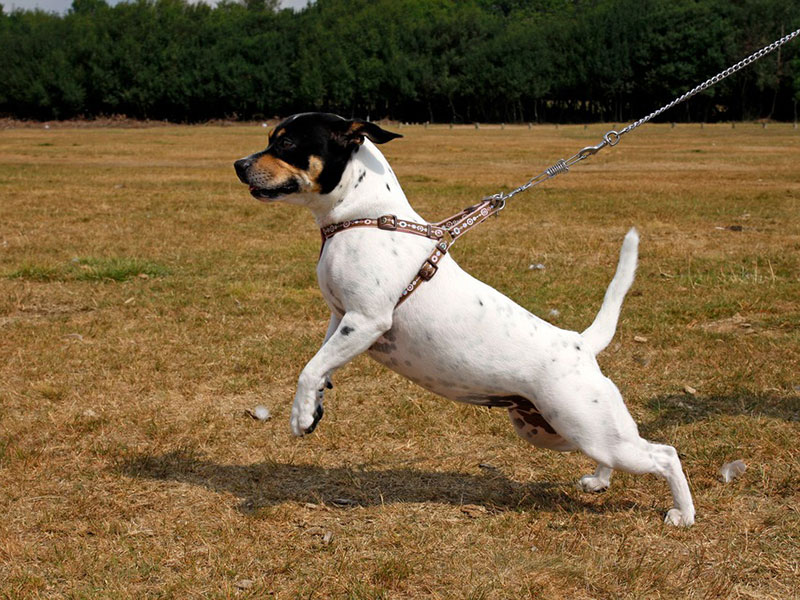
Walks are no fun with a pulling or lunging dog.

Leash Pulling

Walking a dog that constantly pulls on the leash is not an enjoyable experience.  It can be hard to find the motivation to take your dog out when you feel like it is a constant struggle. Leash pulling gets tiring fast, especially when you have a strong dog. And soon, your dog may train YOU to NOT walk him if he can’t stop that behavior.  This is the last thing we want.  Walks should be enjoyable, bonding experiences with your pooch. A properly trained dog will walk steadily at your side without pulling and lunging. Teaching your dog that you are in charge is key to training him to walk calmly alongside you.

Leash Reactivity

Another common problem owners may face on a walk with their pooch is leach reactivity.  This is when your dog barks and lunges, sometimes in a seemingly aggressive manner, at other people or dogs. It can be embarrassing. It can be dangerous. Even if your dog is not aggressive, this behavior seems aggressive and gives a negative impression of your pooch. While this issue is more common than you may think, it can be addressed.  The best way is to keep your dog calm and focused on you during a walk. Ensure you are training during your walks – with structure.  No stopping, no sniffing, no potty-ing until you give some indication that it is okay to do so.  Catch your dog’s attention before his ears perk up at seeing the dog across the street.  Practice eye contact with your dog.  Walk, then stop, then down, then walk again until he understands that you are leading the walk and he needs to pay attention to you.  If you experience leash reactivity and have tried to solve this issue on your own, give us a call to schedule a Board & Train program so we can get this behavior under control!

FAQ

1. Why does leash pulling develop in so many dogs?

Leash pulling usually develops because dogs naturally move faster than people and become overstimulated during walks. When a dog pulls and still gets to move forward, the behavior is unintentionally reinforced. Over time, pulling becomes a learned habit rather than a conscious choice. A lack of clear walking structure and inconsistent handling also contribute to this behavior becoming ingrained.

2. Can leash pulling be corrected through professional training?

Yes, leash pulling can be corrected through structured leash training that focuses on calm movement and engagement with the handler. Training teaches dogs how to walk with awareness instead of reacting to every distraction. Rather than relying on force, professional training emphasizes timing, consistency, and communication, which leads to lasting improvement.

3. Why is leash training important for dogs with reactivity or aggression?

For reactive or aggressive dogs, leash tension can increase frustration and emotional arousal. Proper leash training reduces tension and helps dogs remain balanced and focused during walks. This is why leash work is often one of the first steps in broader behavior training programs, as it establishes control and predictability in daily situations.

4. How do board and train programs help fix leash pulling faster?

Board and train programs provide daily structured walks in a controlled environment, allowing dogs to practice proper walking behavior consistently. This repetition accelerates learning and helps dogs develop reliable habits. Because training occurs across different environments, dogs learn to generalize calm walking behavior beyond one location.

5. What skills do owners need to maintain loose leash walking at home?

Owners must learn proper leash handling, pacing, and timing to reinforce training correctly. Trainers teach owners how to respond calmly and consistently when pulling begins, preventing old habits from returning. When owners apply these techniques daily, loose leash walking becomes a stable and long term behavior.