
Bringing a new puppy home is exciting, but without the right guidance, it can quickly become overwhelming. Puppy training in San Luis Obispo focuses on building a strong behavioral foundation early, helping your dog grow into a calm, confident, and obedient companion. The right training approach, whether for basic obedience, potty training, or early socialization, makes a significant difference from the very first day.
At Dog N Pooch, puppy training is designed to simplify the learning process for both pets and owners. By combining structured techniques with real-world application, the goal is to create lasting behavior changes that fit seamlessly into your lifestyle.
Why Puppy Training is Essential in San Luis Obispo
Puppyhood is the most critical stage of a dog’s development. The habits your puppy forms during the first few months often stay for life. Professional training ensures those habits are positive and manageable.
Training programs in San Luis Obispo emphasize early structure because it helps reduce stress for both the dog and the owner. A well-trained puppy is easier to handle in public spaces, safer at home, and more adaptable to new environments.
According to local training providers, establishing obedience early helps prevent common issues like barking, jumping, and leash pulling before they become long-term problems.
What Puppy Training Includes
A well-rounded puppy training program covers multiple aspects of behavior and communication. At Dog N Pooch, training is practical, structured, and focused on real-life scenarios.
- Basic Obedience Commands
Your puppy learns essential commands such as sit, stay, come, down, and place. These commands are the building blocks of all future training and help create control in everyday situations.
- Potty and Crate Training
Housebreaking is one of the first challenges new pet owners face. Consistent routines and proper crate use help puppies understand where and when to relieve themselves.
- Socialization Training
Early exposure to different people, dogs, and environments builds confidence. Puppies that are socialized properly are less likely to develop fear or aggression later in life.
- Leash Training
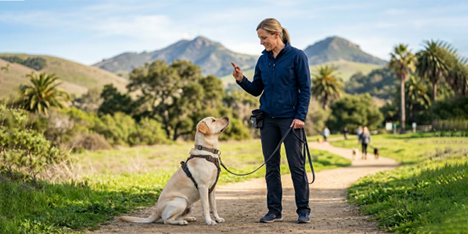
Teaching your puppy how to walk calmly on a leash prevents pulling and frustration during walks. This is especially important for active areas like parks and neighborhoods in San Luis Obispo.
- Behavior Correction
Training also addresses common issues such as chewing, biting, barking, and jumping. These behaviors are natural in puppies but need structured correction.
Training Methods Used by Dog N Pooch
Dog N Pooch follows a balanced training approach, combining positive reinforcement with structured correction when needed. This ensures faster and more reliable results compared to one-dimensional methods.
Unlike purely reward-based systems, balanced training introduces clear communication. Puppies learn not only what to do, but also what not to do, which creates consistency in behavior.
Many trainers in San Luis Obispo rely on positive reinforcement techniques because they are humane and effective in building trust between dogs and owners.
At the same time, Dog N Pooch integrates tools and techniques such as leash guidance and structured routines to reinforce learning in real-world conditions.
Board and Train vs Private Puppy Training
Choosing the right training format depends on your schedule and your puppy’s needs.
- Board and Train Programs
In this program, your puppy stays with professional trainers for a set period. This allows for intensive, distraction-free learning. It is ideal for busy owners or puppies that need faster progress.
- Private Training Sessions
Private sessions involve both you and your puppy. Trainers guide you step by step, helping you understand how to reinforce behaviors at home.
Many San Luis Obispo trainers offer both options to suit different lifestyles, ensuring flexibility for pet owners.
Common Puppy Behavior Problems Solved
Puppy training is not just about commands. It is about solving real challenges that affect daily life.
- Excessive Biting
Puppies explore the world with their mouths. Training teaches bite inhibition and appropriate play behavior.
- Jumping on People
Excited puppies often jump on guests. Training replaces this with calm greeting behavior.
- Separation Anxiety
Proper routines and gradual independence training help puppies feel secure when left alone.
- Leash Pulling
Without training, puppies tend to pull constantly. Structured leash training creates calm, enjoyable walks.
- Barking Issues
Training helps identify triggers and teaches your puppy when it is appropriate to bark.
Benefits of Professional Puppy Training
Investing in professional training creates long-term benefits for both you and your dog.
- Stronger Bond
Training builds communication and trust between you and your puppy.
- Better Behavior in Public
A trained puppy behaves well in parks, cafes, and social settings.
- Reduced Stress at Home
With clear rules and structure, your home becomes more peaceful.
- Faster Learning
Professional guidance accelerates your puppy’s progress compared to trial-and-error training.
- Lifelong Skills
Early training sets the stage for advanced obedience and off-leash control in the future.
Why Choose Dog N Pooch for Puppy Training in San Luis Obispo
Dog N Pooch stands out by focusing on real results rather than temporary fixes. The training programs are designed to address both obedience and behavior issues in a practical way.
Key advantages include
- Customized training plans for each puppy
- Balanced training methods for faster results
- Focus on real-life behavior, not just commands
- Support for owners to maintain consistency at home
The goal is simple. Help your puppy become a well-behaved, confident companion that fits naturally into your lifestyle.
When Should You Start Puppy Training
The best time to start training is as early as possible. Puppies can begin learning basic commands and routines as young as 8 weeks old.
Early training helps prevent bad habits from forming and makes it easier to shape positive behavior. Waiting too long often means correcting behaviors instead of preventing them.
Tips for Training Your Puppy at Home
While professional training is essential, consistency at home plays a major role in success.
- Keep training sessions short and consistent
- Use clear commands and avoid repetition
- Reward good behavior immediately
- Maintain a daily routine
- Be patient and consistent
Even simple daily reinforcement can significantly impact your puppy’s progress.
Build the Perfect Start for Your Puppy
Puppy training is not just about obedience. It is about creating a lifelong relationship built on trust, communication, and structure. With the right guidance, your puppy can grow into a well-mannered and confident companion.
If you are looking to give your puppy the best start, Dog N Pooch offers proven training programs tailored to your needs. Every session, from basic obedience to behavior correction, is intended to produce tangible outcomes.
Begin your journey today by exploring professional dog training in San Luis Obispo, which can significantly shape your puppy’s future.
Frequently Asked Questions (FAQs)
1. How long does puppy training take?
Most puppies show noticeable improvement within a few weeks. However, training is an ongoing process that continues as your dog grows.
2. What is the best age to start puppy training?
Training can begin as early as 8 weeks. Early training helps prevent unwanted behaviors from developing.
3. Are puppy training classes worth it?
Yes. Training classes provide structure, socialization, and professional guidance, which are difficult to achieve on your own.
4. How often should I train my puppy?
Short sessions of 10 to 15 minutes, repeated multiple times a day, are most effective.
5. Can older puppies still be trained?
Absolutely. While early training is ideal, older puppies can still learn quickly with the right approach.
6. What commands should I teach first?
Start with sit, stay, come, and leash walking. These are eDog Training in San Luis Obispo, potentially for everyday control and safety.