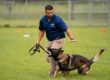


Did you know that over 60% of dog owners report behavior issues such as excessive barking, chewing, or leash pulling? These problems often stem from a lack of consistent training and proper guidance. While dogs are naturally intelligent and eager to please, they require structured learning to follow commands, adapt to social environments, and become well-mannered family members.
Without the right guidance, even the friendliest dogs can develop habits that are frustrating or even unsafe. This is where professional dog obedience trainers step in, helping both dogs and owners achieve harmony.
Why Are Professional Dog Obedience Trainers Essential?
Many pet owners assume that training can be done casually at home. While some commands may be taught informally, professional trainers provide expertise that ensures long-lasting results. Here are some key benefits of hiring trained experts:
- Structured Learning Programs – Trainers use proven methods that cater to your dog’s personality, age, and breed.
- Behavioral Correction – Aggression, anxiety, or excessive barking are addressed with targeted strategies.
- Owner Education – Trainers teach owners how to reinforce commands, creating a consistent environment for the dog.
- Socialization Skills – Dogs learn to interact safely with other pets and humans, reducing fear-based reactions.
- Long-Term Results – Proper obedience training minimizes recurring behavioral issues and strengthens the dog-owner bond.
Common Dog Obedience Problems Trainers Solve
| Issue | How Trainers Help? | Result |
| Pulling on leash | Teach leash manners, proper walking techniques | Comfortable and safe walks |
| Excessive barking | Identify triggers, implement positive reinforcement | Calmer, controlled barking |
| Aggression | Behavioral modification, controlled socialization | Safer interactions with people and pets |
| Destructive chewing | Mental stimulation, redirection methods | Reduced property damage |
| Ignoring commands | Reinforcement techniques, consistency | Reliable obedience in various environments |
Have questions about your dog’s behavior or training program?
Contact us today — our experts will guide you toward a happier, better-trained dog!
Different Types of Dog Obedience Training
Understanding the approach is crucial before enrolling your dog. Trainers often specialize in specific programs, depending on your dog’s needs:
- Basic Obedience Training – Focuses on essential commands like sit, stay, come, and heel. Suitable for puppies and adult dogs who need foundational guidance.
- Advanced Obedience Training – Involves off-leash commands, distance control, and more complex routines. Ideal for dogs who have mastered basic commands but require refinement.
- Behavioral Modification – Tailored for dogs with aggression, anxiety, or fear-based behavior. Trainers employ positive reinforcement and structured desensitization methods.
- Puppy Training – Combines socialization with basic command training. Early intervention ensures lifelong good habits.
- Private Sessions vs Group Classes – Private sessions allow personalized attention, while group classes encourage socialization and learning through peer interaction.
How to Choose the Right Dog Obedience Trainer?
Selecting the right trainer is critical for success. Here are factors to consider:
- Certification and Experience – Look for trainers with recognized credentials and years of hands-on experience.
- Training Philosophy – Positive reinforcement-based trainers are preferred for long-term results and humane treatment.
- Flexibility – Programs should be adaptable to your dog’s specific needs.
- Client Reviews – Previous client experiences can provide insight into effectiveness and professionalism.
- Follow-Up Support – Trainers who offer ongoing guidance help maintain behavior improvements over time.
Tips for Supporting Your Dog’s Training at Home
Even the best trainers rely on owners to reinforce lessons consistently. Simple strategies include:
- Practice commands daily in short, focused sessions.
- Reward good behavior immediately with praise or treats.
- Avoid punishment-based corrections, which can cause fear and confusion.
- Maintain consistency in commands and routines across all family members.
- Monitor progress and communicate openly with your trainer for adjustments.
Common Misconceptions About Dog Obedience Trainers
- Training Is Only for Problem Dogs – Training benefits all dogs, not just those with behavioral issues.
- It Takes Too Long – With proper guidance and consistency, noticeable improvements often occur within weeks.
- Dogs Learn Only Through Treats – While treats are helpful, praise, toys, and structured routines are equally effective.
- Any Trainer Will Do – Not all trainers use humane and effective methods. Researching credentials and philosophy is essential.
Transform Your Dog Into a Well-Behaved Companion With Expert Guidance
Professional dog obedience trainers do more than teach commands. They create stronger bonds, reduce stress for both dog and owner, and foster safer, happier interactions at home and in public. Whether you have a mischievous puppy or an adult dog with established habits, investing in professional training ensures lifelong results.
So, for the best outcomes, enroll your dog at a dedicated dog obedience school where structured programs, expert guidance, and ongoing support create the ideal learning environment.
Ready to transform your dog’s behavior?
Get in touch with Dog N Pooch today and let our certified trainers help your pet thrive!
Contact Dog N Pooch today to learn about available programs near you. Watch your dog grow into the well-behaved, confident companion you’ve always wanted.