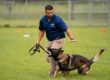


Basic dog obedience training is the foundation of a happy and well behaved relationship between dogs and their owners. It goes beyond teaching simple commands and focuses on building trust, clear communication, and consistency. At Dog N Pooch, basic obedience training is designed to help dogs adapt smoothly to home life, social environments, and everyday routines while strengthening the bond they share with their families.
Dogs are naturally eager to learn, but without proper guidance they can develop habits that are confusing or stressful for both the dog and the owner. Basic obedience training creates structure. It helps dogs understand expectations and respond calmly in different situations. Whether a dog is a young puppy or an adult with no prior training, the right approach can make a remarkable difference in behavior and confidence.
Why Basic Dog Obedience Training Matters?
Obedience training is not about control. It is about communication and safety. When dogs understand commands like sit, stay, come, and leave it, they are better equipped to handle distractions and unfamiliar environments. This reduces anxiety and prevents potentially dangerous situations.
A trained dog is also easier to socialize. Dogs that understand basic cues are more relaxed around people, other dogs, and new surroundings. This makes walks, vet visits, grooming sessions, and family gatherings far more enjoyable. For owners, obedience training brings peace of mind and strengthens the trust they have in their dog’s behavior.
Core Principles of Basic Obedience Training
- Successful obedience training relies on consistency, patience, and positive reinforcement. Dogs learn best when they are rewarded for correct behavior rather than punished for mistakes. Rewards can include treats, praise, toys, or affection depending on what motivates the dog most.
- Consistency is equally important. Using the same commands, tone, and expectations helps dogs learn faster and prevents confusion. Training sessions should be short and engaging to keep the dog focused. Over time, repetition builds understanding and reliability.
At Dog N Pooch, trainers focus on understanding each dog’s temperament and learning style. This personalized approach ensures that training remains effective and stress free.
Essential Commands in Basic Dog Obedience Training
Basic obedience usually begins with simple yet powerful commands:
- Sit is often the first command taught because it encourages calm behavior. Stay builds impulse control and patience.
- Come is one of the most important commands for safety, especially in outdoor settings.
- Down helps dogs relax and settle. Heel teaches polite walking without pulling on the leash.
These commands may seem simple, but when practiced consistently they form the backbone of good behavior. Dogs that master these basics are easier to manage and more confident in responding to their owners.
Building Good Behavior at Home
Obedience training does not end with formal sessions. Reinforcing commands at home is essential. Everyday moments such as meal times, walks, and playtime provide valuable training opportunities. Asking a dog to sit before eating or stay before going outside reinforces discipline in a natural way.
Clear rules at home also support obedience training. Dogs thrive when boundaries are consistent. When everyone in the household follows the same rules, dogs learn faster and feel more secure.
Addressing Common Challenges in Obedience Training
Many dog owners face challenges during training, such as distraction, stubbornness, or lack of motivation. These challenges are normal and can be overcome with patience and the right techniques. Some dogs may take longer to learn due to age, past experiences, or breed traits.
Professional guidance can be especially helpful in such cases. Trainers at Dog N Pooch are experienced in identifying the root cause of training difficulties and adjusting methods accordingly. This ensures steady progress without frustration for the dog or the owner.
The Role of Socialization in Obedience Training
Socialization plays a vital role in basic obedience. Exposing dogs to different environments, sounds, people, and animals helps them stay calm and responsive. A well socialized dog is less likely to react fearfully or aggressively in new situations.
Obedience training combined with controlled socialization builds confidence. Dogs learn that their owners are reliable leaders, even in unfamiliar settings. This balance creates well rounded behavior that lasts a lifetime.
Professional Training Benefits
While many owners start obedience training at home, professional programs offer added structure and expertise. Trainers bring experience, proven techniques, and an objective perspective. This can significantly speed up learning and address issues early.
For owners searching for comprehensive solutions like dog boarding and training near me, combining obedience training with structured care can be extremely effective. Dogs benefit from consistent routines and focused learning environments, especially when owners have busy schedules.
Long Term Impact of Basic Obedience Training
The benefits of obedience training extend far beyond puppyhood. Dogs that receive early and consistent training are easier to manage throughout their lives. They adapt better to changes such as moving homes, welcoming new family members, or traveling.
Obedience training also strengthens emotional bonds. When dogs understand their owners and feel understood in return, trust grows naturally. This creates a relationship based on respect and companionship rather than correction.
Building a Strong Foundation for a Well Behaved Dog
Basic dog obedience training is an investment in a dog’s happiness, safety, and overall quality of life. With the right guidance, patience, and consistency, dogs can learn essential skills that support calm and confident behavior. Dog N Pooch is dedicated to helping dogs and owners build strong foundations through effective and compassionate training methods.
Connect with Dog N Pooch today to begin your dog’s obedience journey. Whether you are exploring personalized training programs or searching for dog boarding and training near me, their expert team is ready to support you every step of the way.
Frequently Asked Questions (FAQs)
1. What age is best to start basic dog obedience training?
Dogs can begin basic training as early as eight weeks old, but older dogs can also learn successfully with the right approach.
2. How long does basic obedience training take?
Training duration varies depending on the dog’s age, temperament, and consistency of practice, but most dogs show improvement within a few weeks.
3. Can obedience training help with behavioral issues?
Yes, basic obedience training often reduces unwanted behaviors by providing structure, clear communication, and mental stimulation.
4. Is professional training necessary for basic commands?
While not mandatory, professional training can be highly beneficial, especially for first time owners or dogs with specific challenges.
5. How can owners reinforce obedience training at home?
Regular practice, consistent commands, positive reinforcement, and clear household rules help reinforce training effectively.