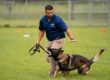


Every dog is unique, with their own personality, quirks, and habits. While dogs bring immense joy, they can also display behaviors that frustrate their owners, from excessive barking to chewing furniture or pulling on the leash. Understanding the root of these behaviors and addressing them with proper dog behavior training is essential to building a strong, trusting bond between you and your furry companion. At Dog N Pooch, we specialize in helping dogs learn positive behaviors while keeping training enjoyable and effective.
Understanding Dog Behavior
Before starting any training program, it’s important to understand why dogs behave the way they do. Dogs communicate primarily through body language, vocalizations, and actions. What may seem like misbehavior is often a natural response to fear, boredom, lack of exercise, or confusion.
For example, a dog that jumps on guests may be excited and seeking attention, while a dog that chews furniture may be dealing with anxiety or teething discomfort. By identifying the underlying cause of a behavior, training can be targeted and more successful.
Key Principles of Dog Behavior Training
-
Consistency Is Crucial
Dogs thrive on routine and clear expectations. If one day jumping on the couch is allowed and the next it’s not, your dog will be confused and training progress will slow. Establishing consistent rules, commands, and boundaries is fundamental for effective behavior training.
-
Positive Reinforcement Works Best
Reward-based training is scientifically proven to create long-lasting results. Using treats, praise, or playtime as rewards encourages dogs to repeat good behavior. Harsh punishments can lead to fear, anxiety, and aggression, so positive reinforcement should always be the first approach.
-
Patience and Timing
Dogs learn through repetition and timely feedback. Immediate reinforcement helps them associate the action with the reward. Expecting quick results can lead to frustration, but with patience, small improvements build into lasting behavior change.
-
Socialization Matters
A well-socialized dog is less likely to develop fear-based aggression or anxiety. Exposing dogs to new people, other dogs, and varied environments in a controlled and positive manner helps them remain confident and adaptable.
-
Understanding Body Language
Learning to read your dog’s signals can prevent behavior issues. Signs of stress, discomfort, or overstimulation—such as yawning, lip licking, or a tucked tail—can alert you to intervene before a negative behavior occurs.
Common Behavior Challenges and How Training Helps
-
Excessive Barking
Dogs may bark out of boredom, anxiety, or a desire to alert their owners. Behavior training can teach “quiet” commands and help address the triggers behind the barking.
-
Leash Pulling
Walking should be enjoyable for both dog and owner. Loose-leash walking techniques, paired with rewards for walking calmly, teach your dog to stay by your side.
-
Jumping and Nipping
Dogs often jump or nip during greetings due to excitement. Training programs teach alternative behaviors, like sitting politely for attention, using consistent reinforcement to make these behaviors habitual.
-
Separation Anxiety
Dogs suffering from separation anxiety may chew, bark, or act destructively when alone. Gradual desensitization, combined with comfort items and routine, can reduce stress and encourage independence.
-
Resource Guarding
Some dogs guard food, toys, or spaces. Training with controlled exposure, positive reinforcement, and management techniques ensures safety and teaches dogs that sharing leads to rewards.
Training Techniques That Make a Difference
-
Clicker Training
This method uses a distinct sound, like a click, paired with a reward to mark desired behavior. It’s precise, clear, and effective for teaching both basic and complex commands.
-
Crate Training
A properly introduced crate provides a safe space for your dog, helping with house training, managing anxiety, and creating structure.
-
Impulse Control Exercises
Teaching commands like “stay,” “leave it,” or “wait” helps dogs develop patience and reduces unwanted behaviors such as grabbing food off counters or darting out doors.
-
Behavior Modification Plans
For more persistent behavior issues, structured behavior modification programs are developed. These are tailored to each dog’s personality, environment, and the specific behavior challenges they face.
Why Professional Guidance Matters?
While many dog owners attempt behavior training at home, professional guidance ensures the right techniques are used and progress is monitored effectively. Trainers at Dog N Pooch have years of experience working with dogs of all breeds and temperaments. They offer customized programs that address the root causes of behavior issues rather than just surface symptoms, helping dogs become more confident, obedient, and happy.
Building a Stronger Human-Dog Relationship
Successful dog behavior training is about more than obedience, it’s about connection. When dogs understand expectations and owners respond consistently with patience and positive reinforcement, the bond grows stronger. Training sessions can be an enjoyable time for both of you, creating routines that enrich your daily life together.
Regular training also improves safety. A dog that responds reliably to commands such as “come” or “leave it” is less likely to run into dangerous situations, keeping both your pet and your household secure.
Ongoing Support and Resources
Training is an ongoing process. Dogs grow, environments change, and new challenges can arise. Ongoing support, refresher sessions, and access to expert advice help maintain positive behaviors long-term. At Dog N Pooch, we provide resources and guidance for continued success, ensuring every dog achieves their best potential.
Transform Your Dog’s Behavior Today
Investing in dog behavior training is more than teaching commands, it’s building a lifelong bond. With consistency, patience, and positive reinforcement, your dog can overcome behavioral challenges, gain confidence, and thrive in your home. At Dog N Pooch, our expert trainers provide personalized guidance to help every dog reach their full potential. Take the first step toward a happier, more obedient companion and see the difference professional training can make.
So, schedule your consultation today and explore our specialized programs for dog training in Atascadero. Your dog’s best self is just a step away.
Frequently Asked Questions (FAQs)
How long does dog behavior training take?
The timeline varies depending on your dog’s age, breed, and behavior challenges. Some basic obedience skills can be learned in a few weeks, while complex behavioral issues may take several months of consistent training.
Can older dogs learn new behaviors?
Absolutely. While younger dogs may pick up commands faster, older dogs can learn and adapt with patience, repetition, and positive reinforcement.
How often should training sessions be held?
Short, frequent sessions are most effective. Daily 10–15 minute sessions work better than occasional long sessions, keeping your dog engaged and motivated.
Are group classes better than private training?
Both have benefits. Group classes are excellent for socialization and learning in a distracting environment, while private sessions provide personalized guidance for specific behavior issues.
What if my dog has severe anxiety or aggression?
Professional trainers can develop a customized behavior modification plan to address anxiety or aggression safely. Early intervention and structured guidance yield the best results.
How can I reinforce training at home?
Consistency is key. Use the same commands, reward desired behaviors immediately, and practice regularly in different environments to strengthen your dog’s learning.