

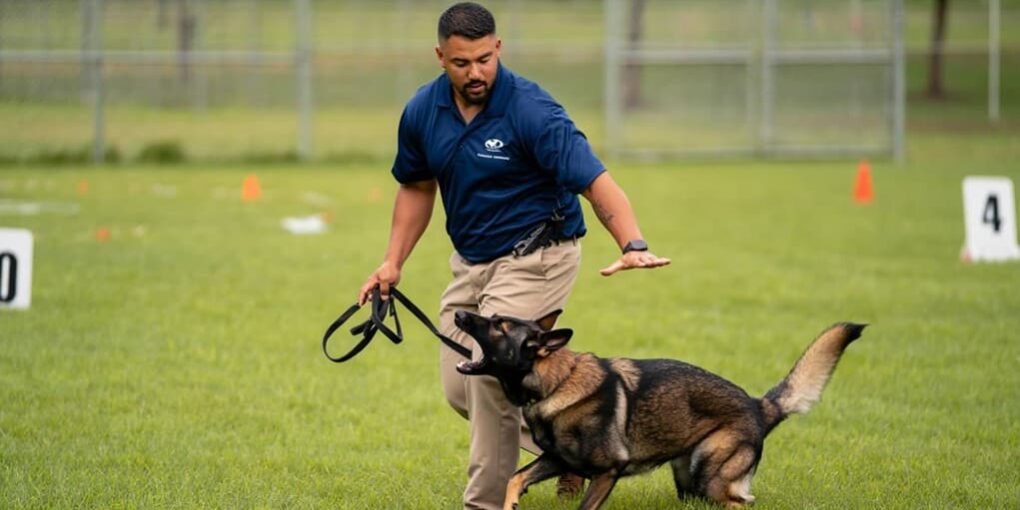
A dog trainer for aggressive dogs focuses on understanding why a dog reacts with fear, tension, or hostility and then systematically reshaping those responses into calm, controlled behavior. Aggression can feel overwhelming for any pet owner, especially when it begins to affect daily routines like walks, social interactions, or even basic handling at home. However, the appropriate training approach can overcome aggression. Expert guidance, consistency, and trust-based methods can manage, improve, and, often, significantly transform this behavioral challenge.
Why Aggression in Dogs Should Never Be Ignored
Aggression usually develops gradually. It builds over time through repeated experiences, unmet emotional needs, or miscommunication between the dog and its environment. What may start as mild discomfort can escalate into more serious reactions if not addressed properly.
Dogs do not rely on words to communicate. They express discomfort through body language such as stiff posture, avoidance, growling, or barking. Overlooking or punishing these early warning signs may force the dog to escalate its behavior to gain understanding.
Ignoring aggression can lead to
- Increased intensity of reactions over time
- Reduced ability to safely manage the dog in public spaces
- Strained relationships between the dog and family members
- Higher risk of injury to people or other animals
Addressing aggression early with a professional trainer creates an opportunity to reset patterns before they become deeply ingrained.
Common Causes Behind Aggressive Behavior
Understanding the “why” behind aggression is the foundation of effective training. Without identifying the root cause, any attempt to correct behavior may only offer temporary results.
Aggression can stem from a variety of emotional and environmental factors
- Fear or anxiety caused by unfamiliar situations or past experiences
- Territorial instincts, where the dog feels the need to protect space
- Resource guarding involving food, toys, or attention
- Lack of proper socialization during early development stages
- Frustration due to restricted movement such as leash tension
- Overstimulation in busy or unpredictable environments
Each of these causes requires a slightly different training approach. This is why personalized training plans are essential when working with aggressive dogs.
The Role of a Professional Dog Trainer
A professional trainer brings structure, experience, and objectivity into a situation that often feels stressful for dog owners. Rather than reacting emotionally to aggressive behavior, a trainer approaches it with a clear, methodical plan.
The process usually begins with a detailed behavioral assessment. This helps identify triggers, patterns, and the intensity of reactions. From there, a customized plan is developed to address both the behavior and the emotional state driving it.
Working with a trainer offers several advantages
- Clear identification of triggers and behavior patterns
- Step-by-step training plans tailored to the dog
- Safe handling techniques during high-stress situations
- Guidance for owners to maintain consistency at home
- Structured progress tracking to measure improvement
This level of support ensures that both the dog and the owner move forward with confidence.
Training Techniques Used by Dog N Pooch
Dog N Pooch follows a balanced and humane approach that focuses on long term behavioral change rather than quick fixes. The goal is to help dogs feel more secure while teaching them appropriate responses.
Desensitization to reduce reactivity
This technique involves gradual exposure to triggers in a controlled setting. Instead of overwhelming the dog, the intensity is carefully managed so the dog can remain calm. Over time, repeated exposure at manageable levels reduces the emotional response.
Counter conditioning for positive associations
Counter conditioning works by changing how a dog feels about a trigger. For example, if a dog reacts aggressively to other dogs, positive experiences are introduced when another dog is present at a safe distance. This helps replace fear or tension with neutrality or even positive anticipation.
Obedience training for better control
Basic and advanced commands play a crucial role in managing aggressive behavior. Commands such as sit, stay, and recall create structure and give the owner tools to redirect attention during triggering situations.
Key benefits of structured obedience include the following:
- Improved focus on the handler
- Better impulse control in stressful environments
- Clear communication between dog and owner
- Increased predictability in behavior
Leash training and controlled movement
Leash reactivity is a common issue in aggressive dogs. Proper leash training reduces tension and helps the dog feel more secure during walks. Controlled movement also allows for better management of distance from triggers.
The Importance of Owner Involvement
Training an aggressive dog is not limited to professional sessions. The owner plays a critical role in reinforcing behaviors and maintaining consistency.
Dogs thrive on clarity and routine. When different family members respond inconsistently, it creates confusion and slows down progress. A trainer helps establish clear guidelines that everyone in the household can follow.
Owners are typically guided on
- Recognizing early warning signs of aggression
- Responding calmly instead of reacting emotionally
- Reinforcing desired behaviors consistently
- Avoiding situations that may trigger setbacks during early stages
This collaborative approach ensures that training continues beyond scheduled sessions and becomes part of the dog’s daily life.
How Long Does It Take to See Results
There is no fixed timeline for aggression training. The duration depends on several factors, including the dog’s history, the severity of the behavior, and the consistency of training.
Some dogs begin to show improvement within a few weeks, especially when triggers are clearly identified and managed. Others may require a longer commitment to fully reshape deeply rooted behaviors.
Progress is usually seen in stages
- Reduced intensity of reactions
- Increased ability to stay calm around triggers
- Improved responsiveness to commands
- Greater confidence in new environments
Consistency and patience remain the most important factors throughout the process.
When Should You Seek Professional Help
Many dog owners wait until aggression becomes severe before seeking help. However, early intervention can prevent escalation and make training more effective.
Consider working with a trainer if you notice
- Growling, snapping, or lunging behavior
- Excessive barking at people or other dogs
- Difficulty managing your dog on walks
- Signs of fear or anxiety in common situations
- Protective or possessive behavior that feels unpredictable
Addressing these signs early creates a safer and more positive environment for everyone involved.
Building Calm, Control, and Confidence in Aggressive Dogs
Aggression in dogs can feel intimidating, but it is a challenge that can be addressed with the right expertise and approach. With structured guidance, consistent training, and a more profound understanding of your dog’s behavior, meaningful progress is not only possible but sustainable.
If you are looking for professional support, Dog N Pooch offers tailored programs designed to help dogs overcome aggression while strengthening the bond between pets and their owners. Take the first step toward a calmer, more balanced companion by connecting with a dog trainer for aggressive behavior near me and building a safer future together.
Frequently Asked Questions (FAQs)
1. How do I know if my dog’s aggression is serious?
If your dog shows consistent signs like growling, snapping, biting attempts, or intense lunging, it is best to consult a professional trainer. Early evaluation helps prevent escalation.
2. Can aggressive dogs be fully cured?
Often, aggression can be significantly reduced and managed effectively. Complete elimination depends on the cause and consistency of training, but improvement is highly achievable.
3. Is it safe to train an aggressive dog at home?
Training can begin at home, but professional guidance is strongly recommended to ensure safety and proper technique, especially for moderate to severe aggression.
4. What is the best age to start aggression training?
Training can begin at any age. While early intervention is ideal, even older dogs can learn new behaviors with the right approach.
5. Will my dog need lifelong training?
Most dogs require ongoing reinforcement rather than intensive lifelong training. Once behavior improves, maintaining consistency helps sustain results.
6. Can aggression come back after training?
Aggression can resurface if triggers are reintroduced without proper management. Continued reinforcement and awareness help prevent regression.