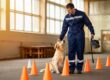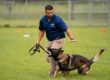


Studies show that aggressive behavior is one of the top three reasons dogs are surrendered to shelters. While some pet owners hope it will fade with time, unaddressed aggression often escalates, putting both the dog and the people around them at risk. Growling, snapping, or lunging is not “just their way”, it’s a warning sign that needs immediate attention. With the right approach and right training for aggressive dogs, even the most challenging dogs can be guided toward calmer, more confident behavior.
Understanding Dog Aggression
Dog aggression is not a single issue but a collection of behaviors with different triggers. It can stem from fear, territorial instincts, dominance, frustration, or even medical conditions. Identifying the root cause is the first step in creating a personalized training plan.
Common Triggers of Aggression
| Trigger | Description |
Example Behavior |
| Fear-based | Reaction to perceived threats or unfamiliar environments | Barking, retreating, snapping when cornered |
| Territorial | Protecting space, people, or possessions | Growling when someone approaches food or toys |
| Social conflict | Disagreements with other animals or people | Fighting with other dogs at the park |
| Pain-related | Response to physical discomfort | Snapping when touched in sore areas |
| Frustration | Pent-up energy or blocked access to something desired | Lunging on a leash |
Why is Professional Training Essential?
Attempting to correct aggressive behavior without proper guidance can worsen the problem. Dogs learn through consistent, structured training that rewards desired behavior and redirects negative responses. Professional trainers understand canine psychology and can design a safe environment where both dog and owner can practice new skills.
How Dog N Pooch Handles Aggressive Dogs?
Dog N Pooch uses proven behavior modification techniques, tailoring each plan to the individual dog’s needs. Training may involve controlled socialization, desensitization to triggers, leash handling exercises, and confidence-building activities. Safety protocols ensure both the trainer and dog work without risk of injury, while owners receive hands-on coaching to maintain progress at home.
The Training Process
- Assessment – A detailed evaluation of the dog’s behavior, triggers, and history
- Customized Plan – Building a step-by-step training outline suited to the dog’s personality
- Controlled Exposure – Gradually introducing triggers in a safe, monitored space
- Positive Reinforcement – Rewarding calm, desired behaviors to encourage repetition
- Owner Education – Teaching the family consistent handling techniques to prevent setbacks
Signs Training is Working
- Reduced growling, barking, or lunging
- Improved leash manners and tolerance to stimuli
- Increased focus and responsiveness to commands
- Calmer interactions with people and other animals
Why Early Intervention Matters?
The earlier aggressive behavior is addressed, the easier it is to modify. Waiting too long allows habits to solidify, making them harder to reverse. Dogs are capable of learning at any age, but starting training at the first sign of aggression leads to faster, more reliable results.
Turn Aggression into Trust and Confidence
Aggressive behavior is not a life sentence for your dog. With the right guidance, structure, and consistency, most dogs can overcome these tendencies and live harmoniously with their families. Dog N Pooch provides professional dog aggression training designed to give your pet the tools they need to feel secure and behave calmly. Take the first step toward a safer, happier life for you and your dog, schedule an assessment today.