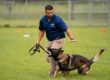


Over 70 percent of dogs will show some form of aggression at least once in their life, according to the American Veterinary Society of Animal Behavior. This might start as a low growl, stiff body posture, or a quick snap that catches you by surprise. Left unaddressed, those moments can grow into biting, lunging, or fighting with other dogs.
Dog aggression is one of the leading reasons pets are surrendered to shelters, yet it is also one of the most treatable behavioral issues. When you understand why your dog is behaving this way and how to respond, you can prevent problems from escalating and build a safer, more trusting relationship with your pet. Hence, at Dog N Pooch, dog trainers for aggressive behavior for dogs pave the way in your life so that pet owners can get some relief from mundane days.
Understanding Dog Aggression
Aggression is not just a single behavior but a set of actions that communicate discomfort, fear, or a perceived threat. A dog may growl, bark, snap, or bite when feeling cornered, anxious, or overly protective. These reactions can be directed toward people, other animals, or objects in their environment. Some dogs only show aggression in specific situations, such as when another pet comes near their food bowl, while others seem on edge in almost every new situation.
It is important to see aggression as a signal, not simply bad behavior. Your dog is telling you something is wrong, perhaps they are afraid, perhaps they are in pain, or perhaps they simply do not know how else to respond. Understanding what triggers the aggression is the first step toward addressing it.
Why Aggression Happens?
Aggression usually has a root cause, and finding that cause is critical for success in training. Some of the most common reasons include:
- Fear or Anxiety – A dog that feels trapped or unsure may react defensively. This is often the case with dogs who have not been socialized properly as puppies or have had negative past experiences.
- Resource Guarding – Dogs are natural protectors of food, toys, and even people. If they believe something valuable might be taken away, they may growl or bite to keep it safe.
- Territorial Instincts – Many dogs bark or lunge at strangers near the home or yard. This instinct can escalate if not managed.
- Medical Pain – Hidden injuries, arthritis, dental pain, or chronic conditions can make a normally calm dog react aggressively when touched.
- Frustration or Lack of Exercise – Pent-up energy or boredom can lead to frustration, which may spill over into growling or snapping.
Common Triggers and Training Solutions
|
Aggression Trigger |
Likely Cause |
Training Approach |
| Growling at food bowl | Resource guarding | Trade-up exercises, gradual desensitization |
| Lunging at strangers on walks | Fear or anxiety | Controlled exposure, counterconditioning |
| Fighting with other dogs | Poor socialization | Structured parallel walking, group obedience work |
| Snapping during grooming | Pain or touch sensitivity | Veterinary evaluation, slow positive handling |
| Barking at visitors | Territorial behavior | Teach place command, reward calm greetings |
| Guarding couch or bed | Lack of boundaries | Leadership training, reinforce clear household rules |
This approach shifts the focus from punishment to understanding and redirection. Instead of scaring a dog into silence, you are teaching them a new, safe way to respond.
The Role of Professional Training
For many pet owners, aggression feels overwhelming. It is easy to fall into patterns of avoidance, skipping walks, keeping the dog in a separate room when guests visit, or hoping the behavior will fade on its own. Unfortunately, most cases do not improve without intervention. Professional trainers who specialize in aggression work can evaluate your dog’s behavior in detail and create a customized training plan.
These trainers rely on science-backed methods like positive reinforcement, desensitization, and counterconditioning. They teach you how to manage your dog’s environment, read warning signals, and respond appropriately before aggression escalates. A well-structured program addresses both the behavior and the underlying emotions, which helps your dog feel safer and more confident.
Why Waiting Makes the Problem Worse?
Aggression rarely disappears on its own. In fact, it often becomes more intense over time because your dog learns that aggression works, it keeps people or other animals away. This reinforcement cycle can make the behavior harder to interrupt later. The earlier you seek help, the quicker and easier the process usually is. Prompt action can prevent injuries, avoid legal issues, and protect your dog’s long-term future.
Benefits of Aggression Training
A structured Dog Aggression Training program offers lasting benefits for both the dog and the owner.
- Greater Safety – Training lowers the risk of bites and injuries, protecting both family members and strangers.
- Better Relationship – When your dog learns that the world is not threatening, you both enjoy a calmer, happier bond.
- More Freedom – A well-trained dog can safely go on walks, visit parks, and meet new people.
- Confidence for Owners – You learn to read your dog’s body language and feel prepared to manage situations without fear.
- Improved Mental Health – Reduced tension at home benefits everyone, including the dog, who is no longer in a constant state of stress.
Creating a Safer Environment
While professional training is essential for lasting results, there are steps you can take right now to keep everyone safe and reduce the chances of aggressive incidents.
Provide daily exercise to help release pent-up energy. Use baby gates or crates to manage space and prevent access to areas where conflict happens, such as doorways or dining areas. Offer puzzle toys and interactive feeders to give your dog a mental workout, which can reduce frustration. Keep leashes and harnesses on hand to control your dog during high-risk moments. Most importantly, stay calm when aggression occurs, raising your voice or reacting with anger can escalate the situation rather than solve it.
Training is an Ongoing Process
Aggression training is not a one-time fix. It requires consistency and practice long after the first improvement appears. Dogs learn through repetition, and if training stops too soon, the old behavior may return. Regular follow-up sessions with a trainer, along with continued practice at home, help solidify progress.
Just like humans work on building habits, dogs need ongoing support to maintain new patterns of behavior. Over time, the reactions that once felt automatic, barking, lunging, or snapping, become less frequent as your dog learns healthier ways to respond.
Myths That Hold Owners Back
Many owners delay training because they believe common myths about aggression.
Some think aggression is a sign that their dog is “dominant” and must be punished into submission. In reality, punishment can suppress warning signals and lead to sudden, unpredictable bites. Others believe only certain breeds are aggressive, when in fact any dog can become reactive under stress or poor socialization. Some owners hope the behavior will fade with age, but most dogs become more set in their ways over time, not less.
Letting go of these myths allows you to see aggression for what it truly is, a behavior that can be managed and redirected with the right approach.
Build Trust and Restore Peace
Aggression does not mean your dog is hopeless or broken. It is a sign that they need guidance, structure, and reassurance. By understanding the root cause, addressing triggers, and following a consistent training plan, you can turn moments of fear or frustration into opportunities for growth.
If aggression has made your home stressful, now is the time to act. Explore our dog aggression training programs at Dog N Pooch and start building a calmer, safer future for your pet. With patience and the right plan, your dog can learn to feel secure, and you can feel confident again.
Ready to Transform Your Dog’s Behavior? Contact Us Now!