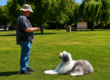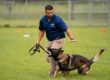


Most pet parents are surprised to learn that over 70% of common behavior problems trace back to one simple thing, unclear communication. You might think you’re giving your dog clear instructions, but they may only catch a tone of voice, not the meaning. This disconnect leads to frustration on both sides. Jumping, pulling, barking, ignoring recall, these are often just symptoms of a dog not knowing exactly what you want. On command dog training bridges this gap so your dog responds quickly and confidently, no matter the situation.
Why are Commands the Foundation of Good Behavior?
Dogs are not born understanding human language, but they are eager to learn patterns. Teaching commands is like giving your dog a map for how to behave in your world. When they know what to do, they can relax instead of guessing. Consistent commands also prevent dangerous situations. Imagine being able to call your dog back from the edge of a busy road or keep them sitting calmly when a visitor arrives, that’s the real power of on command training.
The Most Common Mistakes Owners Make
Even well-meaning owners can accidentally confuse their dogs. Some common errors include:
- Inconsistent words or signals – Saying “come here” one day and “come on” the next makes it harder for the dog to learn.
- Repeating commands too often – Saying “sit, sit, sit” can teach your dog to ignore the first cue.
- Poor timing with rewards – If you wait too long to praise or treat, your dog might link the reward to the wrong behavior.
- Overusing treats without praise – Dogs need both verbal encouragement and rewards to stay motivated long-term.
Correcting these small mistakes can make training click almost overnight.
Core Commands Every Dog Should Master
|
Command |
Why It Matters |
Real-Life Example |
| Sit | Teaches patience and impulse control | Keeps dog from jumping on guests |
| Stay | Adds a layer of safety | Stops dog from running through open doors |
| Come | Strengthens recall | Brings your dog back when off-leash |
| Heel | Encourages calm walks | Prevents leash pulling and lunging |
| Leave It | Teaches boundaries | Stops dog from grabbing unsafe objects |
How On Command Training Gets Fast Results?
This approach focuses on timing, repetition, and clarity. Trainers break each command into small, simple steps and reward your dog immediately for getting it right. Over time, the behavior becomes automatic. It’s not just about obedience — it’s about teaching your dog to focus on you even when distractions are everywhere.
Why Professional Guidance Matters?
You could try to teach commands yourself, but a professional trainer speeds up the process. They notice your body language, tone, and timing, then fine-tune them for better results. Many owners are surprised at how quickly their dogs respond once they learn how to give commands consistently. It becomes a partnership, not a struggle.
Transformative Impact of On Command Training
Picture this: your dog used to drag you down the street, bark at every dog, and ignore you completely when you called. After a few weeks of structured training, walks are calm, your dog sits politely at crosswalks, and actually checks in with you before reacting to distractions. This isn’t just a dream, it’s a common result of on command training.
Tips to Keep the Training Going at Home
- Keep sessions short and positive so your dog stays engaged
- Practice commands in different environments to make them “stick”
- Use a mix of treats, praise, and play as rewards
- Avoid scolding for mistakes — just reset and try again
- Make training part of daily life, not a chore
Your Dog Wants to Listen
On command dog training is about more than obedience, it builds trust, communication, and mutual respect. When your dog listens the first time, life becomes calmer and safer for both of you.
So, explore our one-on-one dog training programs at Dog N Pooch and watch how quickly your dog becomes the well-mannered companion you always hoped for.
Contact Us Today and Give Your Dog the Training They Deserve!